.jpg)
Hauptgericht Italienisch Mediterran Vegetarisch
Ricotta-Gnudi
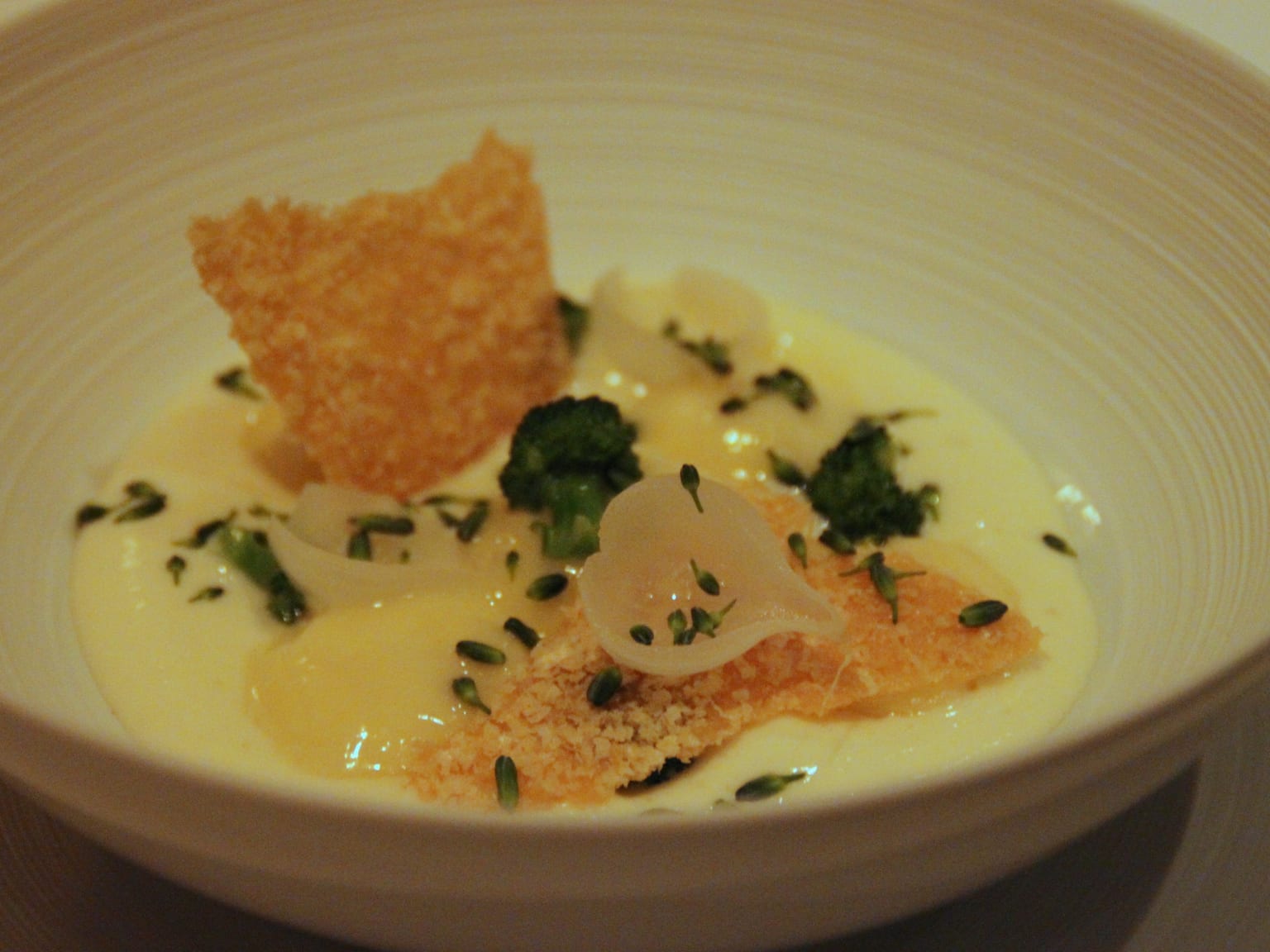
Gnudi, im toskanischen Dialekt nackt, sind Raviolifüllungen ohne Teighülle. Ricotta und geriebener Hartkäse werden mit wenig Mehl und Ei gebunden, geformt, auf Grieß ruhen gelassen, drei Minuten gegart und in brauner Salbeibutter serviert.
Vorbereitung25 Min.
Garzeit15 Min.
Ruhezeit90 Min.
Portionen4
Adaptiert von April Bloomfields Spotted Pig Gnudi, Hank Shaws Ricotta Gnudi, Smitten Kitchen und einer toskanischen Gnudi-Referenz von Eats History
Zutaten
Geschrieben für: 5 L Topf
Einheiten
Temperatur
Portionen
Gnudi
- 500 g Vollmilch-Ricotta, Gewicht vor dem Abtropfen, siehe Notizen gerundet
- 100 g vegetarischer Hartkäse, fein gerieben, siehe Notizen gerundet
- 1 Ei, verquirlt gerundet
- 1 Eigelb gerundet
- 50 g Mehl Type 405, normales Mehl geht auch, Typ 00 wird zarter gerundet
- 250 g feiner Hartweizengrieß, für das Bett und die Panade, das meiste wird nicht mitgegessen gerundet
- nach Geschmack feines Salz gerundet
- nach Geschmack geriebene Muskatnuss gerundet
- nach Geschmack schwarzer Pfeffer gerundet
Salbei-Nussbutter
- 120 g Butter, ungesalzen gerundet
- 20 Salbeiblätter gerundet
- nach Geschmack Zitronenschale gerundet
- 40 g vegetarischer Hartkäse, fein gerieben, zum Abschluss gerundet
Angaben zur Ernährung sind ein Anhaltspunkt, keine Garantie. Bei einer Allergie bitte die Zutaten selbst prüfen.
Zubereitung
- Den Ricotta abtropfen lassen. Ein Sieb mit einem Kaffeefilter aus Papier oder einer Doppelschicht Küchenpapier auslegen, über eine Schüssel legen, den Ricotta einrühren und mindestens 2 Stunden und bis zur Nacht in den Kühlschrank stellen. Drücken oder wiegen Sie es nicht. Sie sind auf der Suche nach 400 bis 430 g abgetropften Quark; der deutsche Supermarkt-Ricotta gibt normalerweise 70 bis 100 g Molke, manchmal mehr.
- Den abgetropften Ricotta in eine Schüssel geben und mit einer Gabel aufbrechen. Fügen Sie den geriebenen Käse, das Ei, das Eigelb, eine gute Reibe Muskatnuss, einen halben Teelöffel Salz und viel Pfeffer hinzu. Rühren, bis es gleich ist.
- Streuen Sie das Mehl über die Oberfläche und falten Sie es mit einem Spatel ein, um den Moment zu stoppen, in dem es verschwindet. Die Mischung sollte weich und leicht klebrig sein, näher an dickem Kuchenteig als an Teig. Es ist nicht dazu gedacht, rollbar zu sein. Wenn es wirklich locker genug ist, um zu gießen, wurde Ihr Ricotta nicht genug abgetropft; fügen Sie 15 g mehr Mehl hinzu, nicht mehr, und gehen Sie direkt zur langen Pause in Schritt 5.
- Die Hälfte des Grießes mindestens 1 cm dick in einem tiefen Blech verteilen. Jeweils 25 g der Masse, etwa anderthalb Esslöffel, direkt auf den Grieß setzen. Jede Portion mit grießbestäubten, gewölbten Händen locker rund rollen und anschließend im Grieß wenden, sodass sie rundum bedeckt ist. Mit etwas Abstand anordnen und den restlichen Grieß darübersieben.
- Stellen Sie sie in den Kühlschrank. Eine Stunde ist das Minimum und gibt Ihnen Gnudi, die ihre Form halten.Zwei bis drei Tage ist die eigentliche Methode: Drehen Sie jeden einmal am Tag um, und der Grieß zieht langsam Feuchtigkeit aus der Oberfläche und baut eine dünne Nudelhaut um ein noch cremiges Zentrum auf. Diese Haut ist der ganze Trick, und damit kommen Sie mit nur 50 g Mehl in 500 g Käse davon. Gehen Sie nicht nach vier Tagen, sonst wird die Haut hart.
- Bringen Sie einen breiten Topf mit gut gesalzenem Wasser zum Kochen und reduzieren Sie dann die Hitze, bis die Oberfläche nur noch zittert. Ein rollendes Kochen bricht sie.
- Bürsten Sie den losen Grieß von jedem Gnudo und senken Sie ihn ein, nicht mehr als zehn auf einmal. Für die einstündige Version schweben sie nach etwa 3 Minuten; geben Sie ihnen 30 Sekunden mehr und heben Sie sie heraus. Für die mehrtägige Version 15 Sekunden beim Kochen zählen, dann 90 Sekunden köcheln lassen und nicht warten, bis sie schwimmen. Die langgeruhten schwimmen nicht zuverlässig, und das Warten darauf wird sie überkochen.
- Die Butter in einer breiten Pfanne bei mittlerer Hitze schmelzen, während die Gnudi kochen. Lassen Sie es schäumen, ablassen und werden Sie nussbraun mit dunklen Flecken auf dem Boden, etwa 4 Minuten. Fügen Sie die Salbeiblätter hinzu und lassen Sie sie 20 Sekunden lang knusprig werden.
- Geben Sie eine Schöpfkelle Kochwasser in die Pfanne und schwenken Sie, bis die Sauce zusammenkommt und cremig aussieht. Schieben Sie die abgetropften Gnudi hinein und drehen Sie sie einmal vorsichtig. Servieren Sie sofort mit geriebenem Käse, Zitronenschale und mehr Pfeffer. Gnudi wird nicht warten; sie werden innerhalb weniger Minuten nach der Sauce von cremig zu pastös.
Hinweise
- Der Hartkäse muss vegetarisch sein. Parmigiano Reggiano, Grana Padano und Pecorino Romano werden alle mit tierischem Lab hergestellt, was ihre PDO-Regeln vorschreiben, so dass keiner von ihnen vegetarisch ist. Kaufen Sie stattdessen ein hart gereiftes Käseset mit mikrobiellem Lab: Die meisten deutschen Supermärkte verkaufen eines als Hartkäse oder Reibekäse mit mikrobielles Lab auf dem Etikett, und die Bioland- und Demeter-Käsesorten sind es fast immer. Es reibt und schmilzt auf die gleiche Weise und schmeckt nah genug. Wenn niemand am Tisch Vegetarier ist, verwenden Sie das echte Ding und nehmen Sie das vegetarische Etikett von der Mahlzeit in Ihrem Kopf.
- Dies lehrt die gleiche Lektion wie die Karottenknöpfe, mit einer verzeihenden Zutat. In beiden Gerichten halten Sie eine feuchte, stärkearme Masse mit so wenig Mehl wie möglich zusammen. Der Unterschied ist, dass Ricotta Ihnen sagt, was er will, und Ihnen eine zweite Chance gibt, während Karotten dies nicht tun. Machen Sie diese zuerst, lernen Sie, wie sich die Mischung unter einem Spatel anfühlen sollte, und machen Sie dann die Karottenknöpfe.
- Deutscher Ricotta. Der deutsche Supermarkt Ricotta, meist Galbani in einer Wanne, ist Kuhmilch und merklich feuchter und fader als das, was man in Italien bekommt. Lassen Sie es wie oben abtropfen und es funktioniert gut. Für die echte Sache fragen Sie einen italienischen Feinkostladen oder einen türkischen Lebensmittelhändler nach Schafsricotta oder Ricotta di pecora, die Schafsmilch ist, fester und viel herzhafter; sie muss weniger abtropfen lassen und macht einen besseren Gnudo. Bei beiden ist Schichtkäse aus dem Rewe- oder Edeka-Milchregal ein guter Stand-in: Er ist trockener als Quark und mild, also verwenden Sie ihn gerade, ohne ihn abzutropfen, und fügen Sie einen Esslöffel Sahne hinzu. Speisequark 40 Prozent funktioniert auch, ist aber schärfer und fester, also verwenden Sie halb Quark und halb Ricotta und schneiden Sie das Salz leicht. Hüttenkäse ist allein zu körnig und zu nass.
- Der häufigste Fehler ist, dass die Gnudi im Wasser zerfallen. Fast immer liegt es an nicht ausreichend abgetropftem Ricotta, sprudelnd kochendem Wasser oder einer zu kurzen Ruhezeit. Zu wenig Mehl ist nur selten die Ursache, geben Sie deshalb nicht einfach mehr davon hinzu. Zerfällt ein Probe-Gnudo, stellen Sie das Blech einen weiteren Tag in den Kühlschrank und versuchen Sie es erneut.
- Vorbereiten. Die Ruhezeit macht dieses Gericht besonders gut planbar: am Freitag mischen, am Sonntag essen. Rohe Gnudi lassen sich ebenfalls gut einfrieren, sobald sich die äußere Schicht gebildet hat. Zuerst auf dem Blech einzeln einfrieren, dann in einen Gefrierbehälter umfüllen und gefroren mit einer zusätzlichen Minute Garzeit kochen. Gekochte Gnudi nicht aufbewahren.
- Andere Saucen. Eine dünne, scharfe Tomatensauce ist die klassische toskanische Alternative und reduziert die Fülle besser als Butter. Ein Löffel Chili-Knusper, der in die braune Butter eingerührt wird, ist überhaupt nicht toskanisch und sehr gut. Im Frühling Erbsen oder Spargelspitzen in die Butter geben.
- Fünfzig Gramm Mehl in 500 g Ricotta sind absichtlich das untere Ende. Die Spotted Pig-Version verwendet überhaupt keine in der Mischung und stützt sich vollständig auf eine dreitägige Grießruhe. Wenn Sie sich zur langen Ruhe verpflichten, können Sie auf 30 g sinken und das Gnudi wird noch leichter.
Verwendete Quellen
- Food52: April Bloomfield’s ricotta gnudi
- Hunter Angler Gardener Cook: Ricotta gnudi
- Smitten Kitchen: Spinach and ricotta gnudi
- Eats History: Tuscan gnudi
Passt gut zu
Verwendete Quellen
Von Christoph Mayer