Hauptgericht Italienisch Mediterran Vegetarisch
Karottenknöpfe
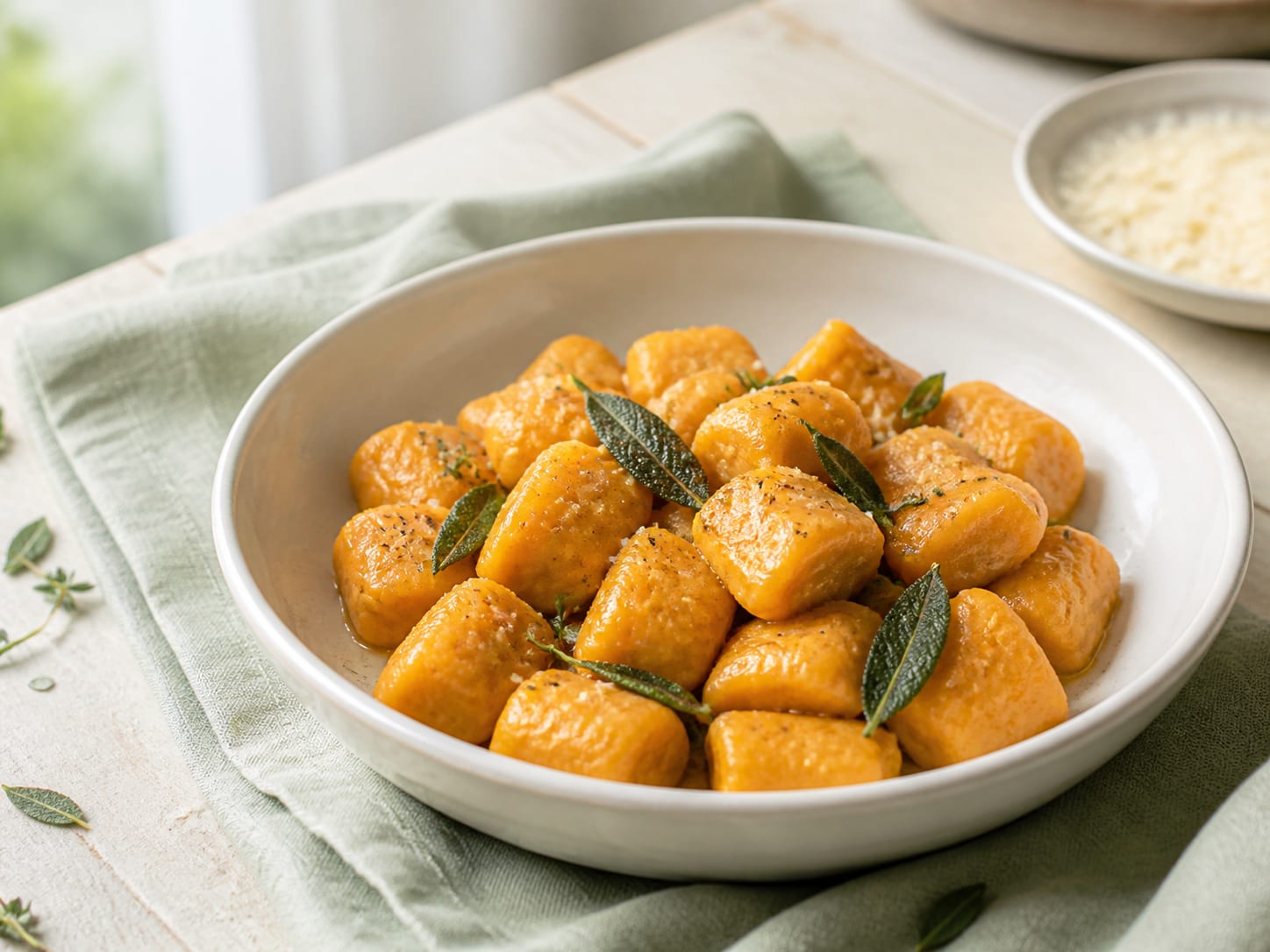
Karottengnocchi oder Karottenknöpfe, die sie besser beschreiben: kleine gepresste Scheiben gerösteter Karotten, gebunden mit Ricotta und Eigelb. Rösten statt Kochen ist das, was sie möglich macht. Wählen Sie eine von zwei Saucen, ein knuspriges Chiliöl mit Frühlingszwiebeln oder eine Salbei- und Thymian-Braunbutter.
Adaptiert von Emiko Davies' Karotten-Gnocchi und Karotten-Ricotta-Gnudi, RecipeTin Eats auf Kürbis-Gnocchi-Feuchtigkeit, Justine Doirons geröstete Rüben-Ricotta-Gnocchi und Kitchen Stories' geröstete Karotten-Ricotta-Gnocchi von Kitchen Stories
Zutaten
Geschrieben für: 5 L Topf
Karottenknöpfle
- 1 kg Karotten, geschält, längs halbiert; ergibt etwa 600 g gebratenes Fruchtfleisch gerundet
- 15 ml Olivenöl, für das Backblech gerundet
- 150 g Ricotta, mindestens 2 Stunden abgetropft, siehe Notizen gerundet
- 2 Eigelb gerundet
- 50 g vegetarischer Hartkäse, fein gerieben, siehe Notizen gerundet
- 130 g Mehl Type 405, mit 130 g beginnen, mehr nur wenn der Testknopf zerfällt gerundet
- 30 g feiner Hartweizengrieß, in den Teig gerundet
- 100 g feiner Hartweizengrieß zum Bestäuben, für Blech und Hände, das meiste wird nicht mitgegessen gerundet
- nach Geschmack feines Salz gerundet
- nach Geschmack geriebene Muskatnuss gerundet
Sauce eins: knuspriges Chiliöl und Frühlingszwiebeln
- 40 g Butter gerundet
- 80 g Chili Crisp, Feststoffe und Öl zusammen, siehe das Chili-Crisp-Rezept gerundet
- 5 Frühlingszwiebeln, das Weiße fein geschnitten, das Grüne schräg geschnitten und roh bleibend gerundet
- 15 ml helle Sojasauce gerundet
- 10 ml Reisessig, oder ein Spritzer Zitrone gerundet
Sauce zwei: Salbei-Thymian-Butter
- 110 g Butter gerundet
- 15 Salbeiblätter gerundet
- 6 Thymianzweige, "ganz, die Blättchen zum Schluss abgestreift" gerundet
- 1 Knoblauchzehe, "flach gedrückt, vor dem Servieren entfernt" (optional) gerundet
- 40 g vegetarischer Hartkäse, fein gerieben, zum Abschluss gerundet
- nach Geschmack Zitronenschale gerundet
- nach Geschmack schwarzer Pfeffer gerundet
Angaben zur Ernährung sind ein Anhaltspunkt, keine Garantie. Bei einer Allergie bitte die Zutaten selbst prüfen.
Zubereitung
- Den Ofen auf 200°C erhitzen. Die geschälten Karotten der Länge nach halbieren, alle dicken vierteln, so dass alle Stücke ungefähr die gleiche Dicke haben, mit dem Olivenöl und einer guten Prise Salz vermischen und mit der geschnittenen Seite nach unten auf einem Blech in einer Schicht verteilen. Das Gedrängen dämpft sie, was das einzige ist, was Sie zu vermeiden versuchen.
- 40 bis 50 Minuten braten, bis die Karotten unter einer Gabel zusammenbrechen und die Schnittflächen braune Flecken haben. Sie wollen, dass sie vorbei sind. Jede Minute hier geht Wasser aus, und Wasser ist der Feind dieses Teigs.
- Lassen Sie sie unbedeckt auf dem Tablett auf Raumtemperatur abkühlen. Warme Karotten geben immer wieder Dampf in den Teig ab und lassen Sie Mehl hinzufügen, das Sie bereuen werden.
- Geben Sie die Karotten durch einen Kartoffeleiser oder zerdrücken Sie sie gründlich mit einer Gabel. Verwenden Sie keinen Mixer oder eine Küchenmaschine. Eine Maschine gibt Ihnen ein schlaffes, nasses Püree, das sich wie Suppe verhält, und Sie brauchen wieder halb so viel Mehl, um es zurückzubringen. Wiegen Sie die Mase: Sie streben etwa 600 g an.
- Den Brei in einer breiten Schüssel verteilen. Den abgetropften Ricotta, das Eigelb, den geriebenen Käse, eine großzügige Rispel Muskatnuss und einen Teelöffel Salz darüber streuen. Vorsichtig mit einem Spatel falten. Fügen Sie den Grieß und 130 g des Mehls hinzu und biegen Sie, bis keine trockenen Stellen mehr übrig sind. Zehn oder zwölf Schläge. Halt. Überarbeiten baut Gluten auf und macht die Knöpfe zäh. 6.Kochen Sie einen Testknopf, bevor Sie etwas formen. Bringen Sie einen breiten Topf mit gut gesalzenem Wasser zum Köcheln. Kneifen Sie eine Walnussteig ab, rollen Sie sie zwischen bemehlten Handflächen, drücken Sie sie flach und lassen Sie sie hinein. Gib ihm drei Minuten. Wenn er zusammenhält und zart schmeckt, ist der Teig richtig. Wenn es sich auflöst oder in Fetzen einsackt, 20 g mehr Mehl unterheben und erneut testen. Wiederholen Sie dies höchstens zweimal.
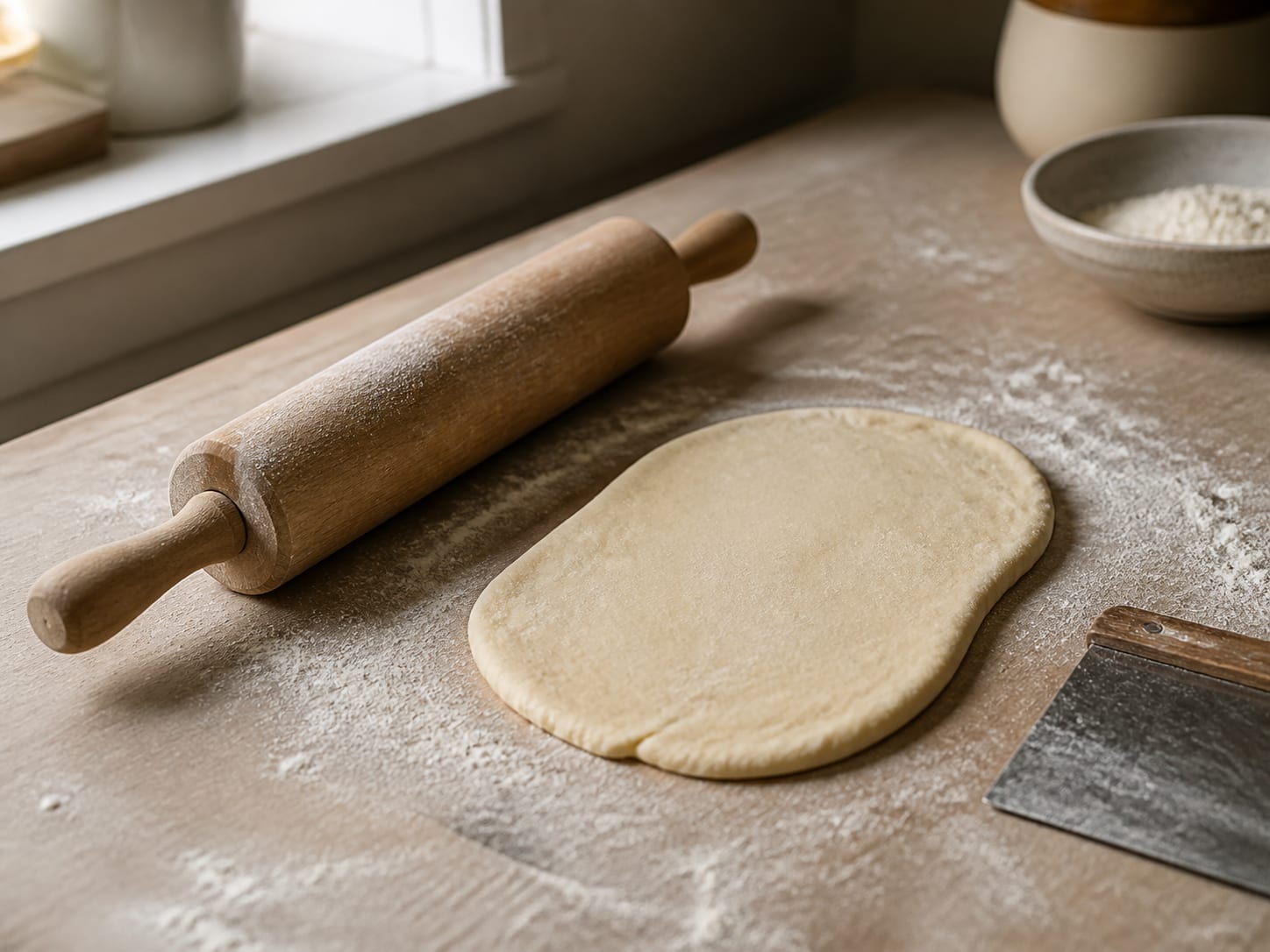
- Bestäuben Sie ein Tablett kräftig mit Grieß. Mit bemehlten Händen Teigstücke zu 2,5 cm großen Kugeln rollen und dann jedes einzelne vorsichtig zwischen Daumen und Finger zu einer etwa 1 cm dicken Scheibe flach drücken. Das ist der Knopf. Legen Sie sie auf den Grieß, ohne sie zu berühren. Wenn Sie Grate wollen, rollen Sie jeden von ihnen über die Rückseite einer Gabel, aber sie sind besser schlicht und die Grate reißen diesen Teig.
- Die geformten Knöpfe unbedeckt im Kühlschrank 30 Minuten ruhen lassen. Sie verfestigen sich und nehmen eine dünne trockene Oberfläche an, die sie im Wasser zusammenhält.
- In Chargen von etwa 15 in kaum köchelndem Salzwasser kochen. Ein rollendes Kochen reißt sie auseinander. Sie gehen in 2 bis 3 Minuten auf; geben Sie ihnen weitere 30 Sekunden, nachdem sie aufgetaucht sind, heben Sie sie dann mit einem Schaumlöffel heraus und lassen Sie sie kurz abtropfen. Halten Sie 200 ml des Kochwassers. 10.Für die Chiliölsauce: die Butter in einer breiten Pfanne schmelzen, die weißen Teile der Frühlingszwiebeln hinzufügen und 1 Minute kochen. Von der Hitze den Chili-Chip, die Sojasauce und den Essig mit einem Spritzer Kochwasser unterrühren. Fügen Sie die Knöpfe hinzu und drehen Sie sie vorsichtig um, bis sie bedeckt sind. Mit den rohen Frühlingszwiebeln abschließen. 11.Für die braune Butter: die Butter in einer breiten Pfanne bei mittlerer Hitze mit dem zerdrückten Knoblauch schmelzen. Wenn es schäumt, nachlässt und nussig mit braunen Flecken auf dem Boden riecht, fügen Sie die Salbeiblätter und die ganzen Thymianzweige hinzu. Sie spucken 20 Sekunden lang und werden knusprig. Entfernen Sie den Knoblauch. Fügen Sie 60 ml des Kochwassers hinzu und schwenken Sie, um zu emulgieren, fügen Sie dann die Knöpfe hinzu und drehen Sie sie, bis sie glänzend sind. Die Thymianblätter über die Pfanne streifen und die holzigen Stängel wegwerfen. Mit dem geriebenen Käse, der Zitronenschale und dem Pfeffer abschließen.
Hinweise
- Der Hartkäse muss vegetarisch sein. Parmigiano Reggiano, Grana Padano und Pecorino Romano werden alle mit tierischem Lab hergestellt, was ihre PDO-Regeln vorschreiben, so dass keiner von ihnen vegetarisch ist. Kaufen Sie stattdessen ein hart gereiftes Käseset mit mikrobiellem Lab: Die meisten deutschen Supermärkte verkaufen eines als Hartkäse oder Reibekäse mit mikrobielles Lab auf dem Etikett, und die Bioland- und Demeter-Käsesorten sind es fast immer. Es reibt und schmilzt auf die gleiche Weise und schmeckt nah genug. Wenn niemand am Tisch Vegetarier ist, verwenden Sie das echte Ding und nehmen Sie das vegetarische Etikett von der Mahlzeit in Ihrem Kopf.
- Warum dies keine Kartoffelsubstitution ist. Eine Karotte ist ungefähr 88 Prozent Wasser gegenüber einer Kartoffel 79 Prozent, und sie enthält fast keine Stärke, vielleicht ein oder zwei Gramm pro 100 g gegen die Kartoffel fünfzehn oder mehr, wobei die meisten Kohlenhydrate stattdessen Zucker sind. Zucker baut keine Struktur auf. Wenn Sie also Karotten kochen und sie so pürieren, wie Sie es für Kartoffelgnocchi tun würden, erhalten Sie ein nasses, süßes Püree, bei dem nichts es zusammenhält, und der einzige Hebel, der übrig bleibt, ist Mehl. Wenn Sie genug Mehl hinzugefügt haben, um es zum Rollen zu bringen, haben Sie Paste gemacht, und die Knöpfe kochen dicht und klebrig. Die Lösung besteht darin, das Wasser herauszunehmen, bevor der Teig vorhanden ist, was der Ofen tut, und eine Struktur hinzuzufügen, die nicht aus Mehl besteht, was das Eigelb, der Ricotta und der geriebene Käse tun. Dies ist das gleiche Problem, das Rüben- und Kürbis-Gnocchi haben, und jeder, der es löst, löst es auf die gleiche Weise.
- Wie zu nass aussieht, bevor du es ruinierst. Teig, der richtig ist, fühlt sich an wie kühle, dicke Modelliermasse: er nimmt einen Fingerabdruck und hält ihn, zieht sich in einer Masse von der Schüssel weg und rollt zu einer Kugel auf einem bemehlten Brett, ohne sich zu verteilen. Teig, der zu nass ist, klebt an den Fingern in Fäden, anstatt sich sauber zu lösen, hält keine gerollte Form länger als ein paar Sekunden und hinterlässt einen Abstrich auf dem Brett, wenn Sie ein Stück anheben. In dem Moment, in dem Sie das bemerken, hören Sie auf, Mehl hinzuzufügen. Nach etwa 200 g Mehl pro 600 g Karotte werden die Knöpfe nicht mehr zart und werden zu Radiergummis. Stattdessen: Kühlen Sie den Teig 30 Minuten lang und testen Sie ihn erneut, oder kratzen Sie den Püree in eine trockene Pfanne und rühren Sie ihn 5 Minuten lang bei schwacher Hitze um, um mehr Wasser abzudampfen, kühlen Sie ihn ab und beginnen Sie von vorne. Beides kostet Sie Zeit. Mehr Mehl kostet Sie das Gericht.
- Rikotta. Lassen Sie es ab. Legen Sie es in ein Sieb, das mit einem Papierkaffeefilter über einer Schüssel ausgekleidet ist, für mindestens 2 Stunden in den Kühlschrank. Der deutsche Supermarkt Ricotta gibt eine überraschende Menge an Molke auf. Wenn Sie keinen anständigen Ricotta bekommen können, verwenden Sie Schichtkäse, der trockener ist als Quark und in Blöcken bei Rewe und Edeka verkauft wird, oder entwässerten Speisequark 40 Prozent. Quark ist saurer, also verwenden Sie etwas weniger Salz.
- Welche Soße und wann. Die braune Butter ist die ruhige. Es ist das, was Sie machen, wenn die Karotten der Punkt sind, wenn es draußen kalt ist, und wenn Sie sie als ersten Gang vor etwas anderem servieren. Es ist auch mit dem Ricotta-Gnudi übereinstimmt, so dass Sie beides aus einer Pfanne Butter machen können, wenn Sie die Menschen richtig füttern. Die Chili-Crisp-Version ist die laute: Sie verwandelt die Knöpfe in ein komplettes Hauptgericht für sich allein, sie spielt die Süße der Karotte gegen Hitze und Salz und nicht gegen die Nussigkeit, und es ist das, was man an einem Dienstag zubereiten kann, wenn sich bereits ein Glas Chili-Knusper im Kühlschrank befindet. Versuchen Sie nicht, beides zu einer Mahlzeit zu servieren; sie stornieren sich gegenseitig.
- Mach weiter. Geformte Rohknöpfe frieren gut ein. Frieren Sie sie fest auf dem Grießblech ein, ziehen Sie sie dann ein und kochen Sie sie mit einer zusätzlichen Minute aus dem gefrorenen. Rohe Knöpfe nicht länger als einen Tag im Kühlschrank aufbewahren, da sie weinen. Die geröstete, verreiste Karotte hält sich drei Tage im Kühlschrank, so dass Sie die Arbeit auf zwei Abende aufteilen können.
- Überreste. Gekochte Knöpfe sind gut, am nächsten Tag in Butter gebraten zu werden, bis sie auf beiden Seiten gebräunt sind, was der Karottenzucker schnell tut. Beobachten Sie sie, denn derselbe Zucker bedeutet, dass sie in weniger als einer Minute von gebräunt zu verbrannt werden.
- Es lohnt sich, übrig gebliebenes Kochwasser für die Sauce aufzubehalten. Es ist stärkehaltig und leicht süß, und es ist das, was die Butter haften lässt, anstatt sich zu sammeln.
Verwendete Quellen
- Emiko Davies: Carrot gnocchi
- Emiko Davies: Carrot and ricotta gnudi
- RecipeTin Eats: Easy pumpkin gnocchi
- Justine Doiron: Beet ricotta gnocchi
- Kitchen Stories: Carrot-ricotta gnocchi
Passt gut zu
Von Christoph Mayer