.jpg)
Hauptgericht Japanisch Asiatisch
Katsu Sando
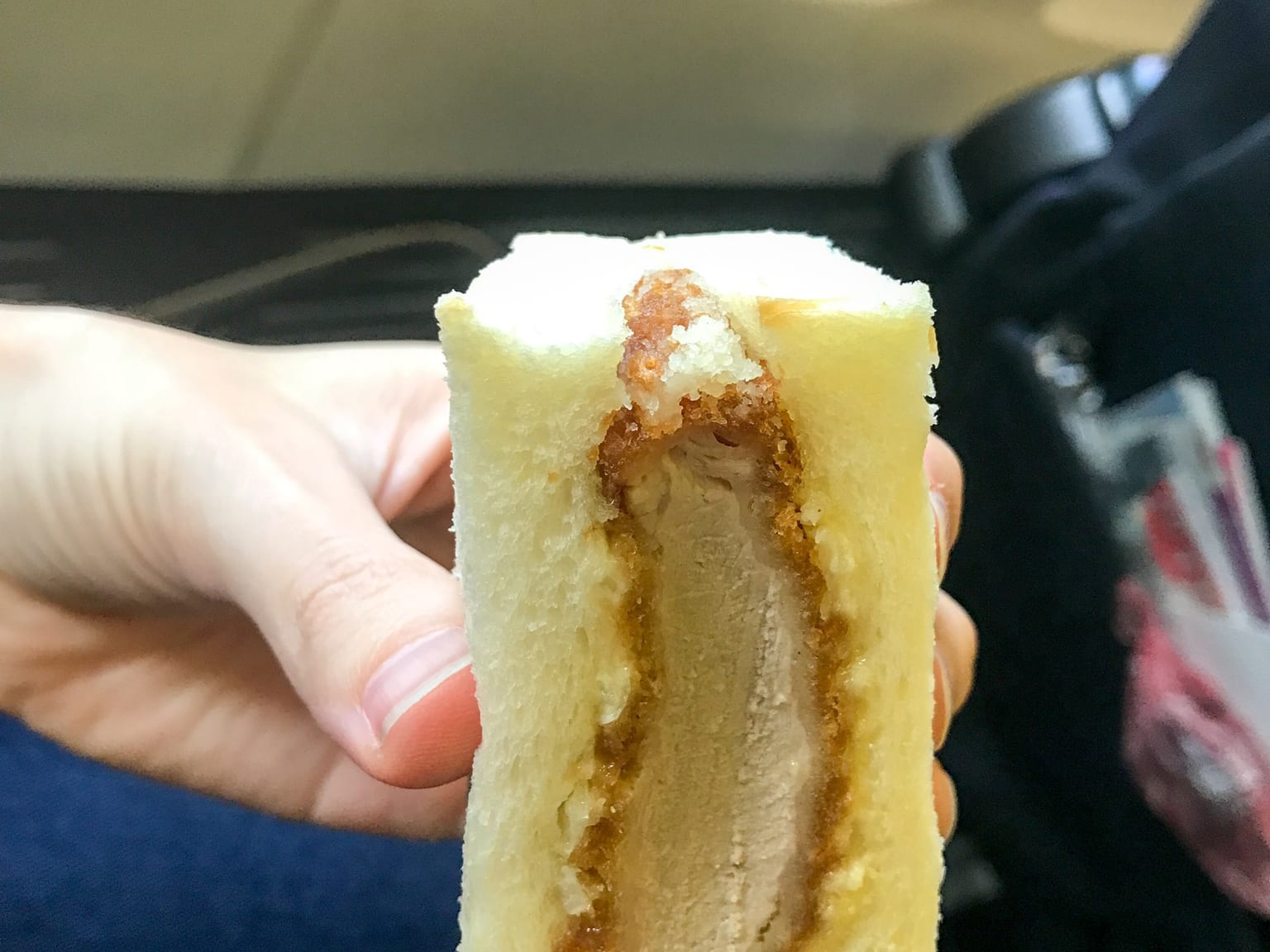
Katsu Sando (カツサンド) ist das japanische Konbini-Sandwich aus kaltem Panko-Schnitzel, Tonkatsu-Sauce, Butter und weichem Weißbrot ohne Rinde. Es ist die ideale Verwendung für übrig gebliebenes Katsu und in zehn Minuten fertig.
Vorbereitung10 Min.
0 Portionen2
Adaptiert von Just One Cookbook's Katsu Sando, mit dem Kotelett und der Sauce aus dem Hühnchen-Katsu-Rezept auf dieser Seite
Zutaten
Einheiten
Temperatur
Portionen
- 4 Toastbrot, dick geschnitten, ungetoastet gerundet
- 2 Chicken-Katsu-Schnitzel, kalt, nach dem Chicken-Katsu-Rezept gerundet
- 20 g Butter, weich gerundet
- 10 g Dijonsenf (optional) gerundet
- 60 ml Tonkatsu-Sauce, selbst gemacht, siehe Chicken-Katsu-Rezept gerundet
- 60 g Weißkohl, sehr fein gehobelt (optional) gerundet
Zubereitung
- Nehmen Sie die Schnitzel aus dem Kühlschrank, während Sie sich einrichten. Kalt ist hier in Ordnung und richtig, aber kalt im Kühlschrank trubt den Geschmack, also helfen zehn Minuten auf der Theke.
- Alle vier Scheiben bis zu den Rändern einfeuern. Die Butter ist nicht für den Reichtum da, sie ist ein Siegel: Sie verhindert, dass die Sauce in das Brot eindringt und das Sandwich zu Brei wird, bevor Sie es essen. Die Butter mit Senf auf zwei der Scheiben verteilen.
- Bestreichen oder löffeln Sie Tonkatsu-Sauce großzügig über beide Seiten jedes Koteletts. Seien Sie schwerer, als sich richtig anfühlt, da das Brot viel aufnimmt und kaltes Essen als untergewürzt angezeigt wird.
- Wenn Sie Kohl verwenden, legen Sie eine dünne, ebene Schicht auf die Senfscheibe. Halten Sie es dünn. Ein hoher Haufen Kohl macht es unmöglich, das Sandwich sauber zu schneiden und rutscht heraus, wenn Sie es beißen.
- Legen Sie ein Schnitt darauf und schneiden Sie es so, dass es die Ränder des Brotes erreicht. Der Überhang wird mit den Krusten abgeschnitten und verschwendet, also schneiden Sie das Kotelett ab, anstatt es hängen zu lassen. Mit der zweiten Scheibe mit der Butterseite nach unten schließen.
- Wickeln Sie das Sandwich fest in Backpapier oder Frischhaltefolie und drücken Sie es 5 Minuten lang unter einen Teller. Dadurch sieht der Querschnitt wie der im Schaufenster aus.
- Auspacken, die Krusten von allen vier Seiten mit einem langen gezackten Messer abschneiden und die Klinge zwischen den Schnitten abwischen. Dann schneiden Sie das Sandwich in Hälften oder Drittel. Auf einmal servieren oder neu einwickeln und mitnehmen.
Hinweise
- **Vegetarianer Tofu Katsu Sando. ** Drücken Sie extra festen Tofu, oder köcheln Sie ihn stattdessen 3 Minuten im Ganzen in Salzwasser (siehe die Tofu-Grundformel), und schneiden Sie eine 1,5 cm breite Platte pro Sandwich, dann Mehl, Ei, Panko und braten Sie es wie das Huhn. Verwenden Sie für ein veganes Sandwich einen Mehl-Wasser-Teig anstelle von Ei, Pflanzenbutter oder veganer Mayonnaise auf dem Brot und sardellenfreiem Worcestershire in der Sauce. Bewahren Sie den Tofu hier als Platte auf; handgerissene Stücke würden kein stabiles Sandwich-Kotelett machen.
- **Das Brot. ** Shokupan, das quadratische japanische Milchbrot, ist weich, schwach süß, eng zerbröckelt und in Deutschland praktisch nicht verfügbar. Toastbrot ist die nächste übliche Option, und die dick geschnittenen amerikanischen Sandwiches-Brote von Golden Toast oder Harry sind das, wonach man greifen kann. Toasten Sie es nicht. Wenn Sie Buttertoast finden können, noch besser. Brioche ist zu süß und zu eiig, und jedes Bauernbrot, Vollkorn oder Sauerteig ist völlig falsch: Der Punkt ist ein weicher, neutraler Wrapper, der gegen das Crunch des Koteletts verschwindet.
- **Dies ist das übrig gebliebene Stück. ** Katsu Sando existiert, weil kaltes Katsu gut ist und wiedererwärmtes Katsu nicht. Braten Sie ein oder zwei zusätzliche Koteletts, wenn Sie Hühnchen-Katsu machen, und das ist das Mittagessen am nächsten Tag. Ein Schnitt hält zwei Tage im Kühlschrank, locker eingewickelt, damit die Kruste nicht schwitzt.
- Wenn Sie nur heißes Katsu haben, lassen Sie es auf einem Rost auf Raumtemperatur abkühlen, bevor Sie das Sandwich bauen. Heißes Katsu dämpft das Brot von innen und das Sandwich bricht zusammen.
- **Sauce. ** Machen Sie die Tonkatsu-Sauce aus dem Hühnchen-Katsu-Rezept: Worcestershire, Ketchup, Sojasauce und Zucker. Bulldoggensauce ist nicht etwas, das Sie in Schwäbisch Hall finden werden. Japanische Kewpie-Mayonnaise auf dem Brot neben der Butter ist eine gängige Ergänzung und es lohnt sich, wenn Sie ein Glas haben.
- **Schweinefleisch oder Ei. ** Tonkatsu aus Schweinelende ist das Original. Der andere Supermarkt-Klassiker ist Tamago Sando, gehacktes hartgekochtes Ei mit Mayonnaise, und die beiden reisen gut zusammen.
- **Packen. ** Fest in Pergament einwickeln und das Papier durchschneiden, während das Sandwich noch eingewickelt ist. Es behält seine Form und tritt nicht in einem Beutel aus.
Verwendete Quellen
Passt gut zu
- Chicken Katsu
- Edamame-Avocado-Dip mit knackigem Gemüse
- Katsu Curry
- Schneller Sesam-Gurkensalat
- Tofu, für mehr Geschmack vorbereitet
Verwendete Quellen
Von Christoph Mayer